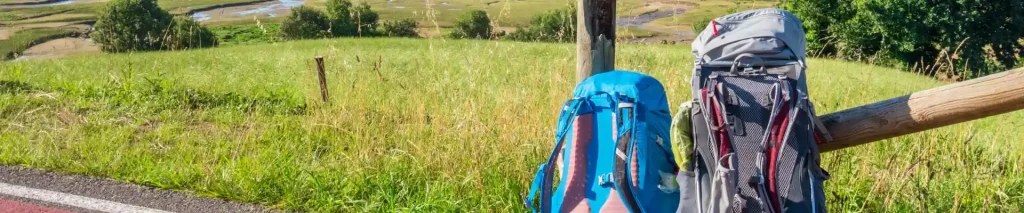
The Camino de Santiago, also known as the Way of St. James, is a historic pilgrimage route that leads to the city of Santiago de Compostela in the northwest of Spain. For over a thousand years, people from all over the world have walked these paths to reach the Cathedral where the remains of the Apostle St. James are believed to rest. Today, it’s a journey that blends spirituality, culture, and adventure, attracting thousands of pilgrims each year.
If you’re wondering where El Camino de Santiago is, the answer is that it’s not a single path, but a network of routes that stretch across Spain and other parts of Europe, all ending in Galicia. Whether you start in France, Portugal, or elsewhere in Spain, every route offers its own unique landscapes and experiences, yet all share the same final goal: Santiago de Compostela.
The Path to Santiago de Compostela
Santiago de Compostela is the final destination of the Camino de Santiago, where every road leads to. Whether you’ve walked hundreds of kilometers or just a few stages, arriving in Santiago is a key moment. At the end of the journey is Obradoiro Square, where the stunning Cathedral of Santiago stands.
Galicia: Where All Routes Meet
Galicia, located in the green and misty northwest of Spain, is the region where all Camino routes ultimately meet. It’s made up of four provinces: A Coruña, Lugo, Ourense and Pontevedra, each offering unique landscapes and key stops along the way. In Lugo, for example, you’ll pass through towns like Sarria, the most popular starting point for the last 100 km of the Camino de Santiago. In Pontevedra, the Portuguese Coastal Way winds through seaside towns like Baiona and Vigo, while Ourense is the gateway for pilgrims on the Via de la Plata.

Galicia has a rich Celtic heritage, still visiblein its traditional music, festivals, and legends steeped in mystery and nature. It’s home to five wine D.O.s, including Rías Baixas, famous for its Albariño wine, and Ribeiro, known for its refreshing white wines. Galicia also features several food D.O.s that highlight its culinary heritage, such as Tetilla and San Simón da Costa cheeses, Galician veal, and Pemento de Herbón. Its Atlantic coast provides top-quality seafood like octopus, scallops, and razor clams, key ingredients in iconic dishes like pulpo a la gallega.
Galicia’s deep-rooted spiritual tradition, with Santiago de Compostela as the pilgrimage’s final destination, adds to its cultural and historical significance, making it the perfect end to the Camino de Santiago.
Santiago de Compostela: The Final Destination
Located in the region of Galicia, Santiago de Compostela is far more than just a religious destination; it’s a cultural and historical gem, nestled in the province of A Coruña and serving as the capital of the region.
The city is known for its cobblestone streets, lively atmosphere, and welcoming spirit. Its old town, a UNESCO World Heritage Site since 1985, is full of charm and stories from centuries of pilgrimage.
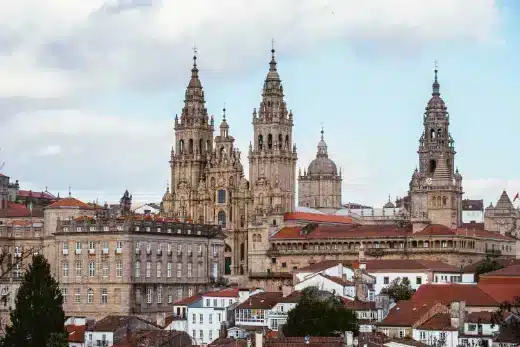
For many, reaching Santiago marks the end of a personal journey, both physical and spiritual. But it can also be the beginning of new connections and reflections. Whether you continue along the Finisterre Way or spend a few days exploring the city, arriving in Santiago de Compostela marks the true culmination of the Camino experience.
Where Does the Camino de Santiago Start?
The Camino de Santiago doesn’t have a single starting point, it begins wherever each pilgrim chooses to. Over the centuries, pilgrims have departed from their homes across Europe, creating a vast network of routes all converging at the same destination: Santiago de Compostela, in northwestern Spain.
These paths vary in length, difficulty, and scenery, offering something for every kind of traveler, from first-time pilgrims to seasoned walkers. There’re over a dozen recognized routes, but a few stand out as the most popular among pilgrims.
The Traditional Starting Points
Whether for historical reasons, accessibility, or the desire to enjoy the whole experience of the Camino de Santiago, these traditional spots attract thousands of walkers every year.
📍Saint-Jean-Pied-de-Port | French Way | 740 KM
This small town in the French Pyrenees is the classic starting point of the French Way. It marks the beginning of the most famous Camino route, stretching roughly 740 km to Santiago. It’s known for its scenic mountain crossing and well-established pilgrim infrastructure.
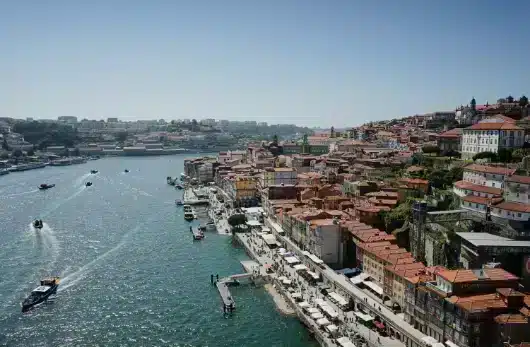
📍Porto | Portuguese Way | 240 KM
Starting from Porto, in northern Portugal, pilgrims can walk the Portuguese Way either inland or along the coast. This route is well-loved for its mix of historical towns, green countryside, and delicious cuisine.
Last 100 km Starting Points
Instead of starting from far-off locations, many pilgrims opt to begin their journey within Galicia, covering at least the last 100 km, which is the minimum distance needed to get the Compostela certificate.
📍Sarria | French Way | 116 KM
Located about 100 km from Santiago, Sarria (A Coruña) is the most popular starting point for pilgrims who want to walk the last stages of the French Way. It’s ideal for those who want to experience one of the short routes of the Camino and is known for its accessible terrain, frequent lodging, and vibrant pilgrim atmosphere.
📍Tui | Portuguese Way | 128 KM
Located just across the border from Portugal in Galicia, Tui is another common starting point for the Camino Portugués, especially for those seeking the 100 km minimum to earn the Compostela. It offers a shorter yet meaningful pilgrimage experience.
📍Baiona | Portuguese Coastal Way | 120 KM
Set along the scenic Rías Baixas, this coastal Galician town is a favorite starting point for those embarking on the Portuguese Coastal Way. From Baiona, pilgrims enjoy breathtaking seaside views, peaceful fishing villages, and a route rich in maritime heritage.
Lesser-Known Starting Points
While many pilgrims begin their journey from popular spots as the previous ones, the Camino also offers lesser-known starting points that provide a quieter experience. These alternative routes often pass through stunning, less-traveled regions and are ideal for those looking to avoid the crowds or explore a different side of the Camino.
📍Oviedo | Primitive Way | 240 KM
The Primitive Way from Oviedo (Asturias, Spain) is considered the oldest route to Santiago. It’s perfect for pilgrims seeking solitude, rugged landscapes, and a deeper connection to the Camino’s early history.
📍Ferrol | English Way | 120 KM
This Galician port city is the typical starting point of the full English Way, a shorter route historically used by pilgrims arriving by sea from Northern Europe. The route from Ferrol to Santiago is about 120 km, making it a good option for a 5-day Camino de Santiago pilgrimage.
📍Ponferrada | Winter Way | 250 KM
Located in the Bierzo region, Ponferrada is often seen as a mid-point on the French Way. However, it’s also the starting point of the Winter Way, a quieter alternative that follows the Sil River through peaceful and lesser-traveled landscapes.
📍Vilalba | Northern Way | 117 KM
Irún, located on the French border, marks the official start of this scenic yet demanding route. Many pilgrims, however, choose to walk the final 100 km of the Northern Way from Vilalba (Lugo), already in Galicia.
How to Reach the Starting Points
Whether you plan to begin your pilgrimage in Spain, Portugal, or another European country, getting to your starting point is straightforward thanks to reliable transport links connecting all major Camino routes to hubs such as Madrid, Santiago, and Porto.
Here’s how to reach some of the most popular starting points of the Camino de Santiago:
Saint-Jean-Pied-de-Port (France)
The easiest way to get there is by flying into Biarritz Airport and taking a connecting train via Bayonne. Alternatively, there are direct trains from major French cities like Paris and Bordeaux to Bayonne, from where a local train completes the journey to Saint-Jean.
Sarria (Galicia, Spain)
The French Way from Sarria is well connected, making it easily reachable by train from Madrid-Chamartín Station (around 6 hours), and also by bus from Santiago de Compostela. Flying into Santiago and taking a local bus or train is often the fastest option.
Porto (Portugal)
If you’re eyeing the Portuguese Way, Porto is an excellent gateway. Its international airport offers connections to major European hubs. From Porto city center, you can hop on regional trains to towns like Valença or Tui to start your journey on the Portuguese-Spanish border.
Tui (Galicia, Spain)
Flying into one of the Galician airports is usually the best option for those starting their Camino within Galicia. The closest airport to Tui is in Vigo, about 30 km away, with regular bus and train connections. Santiago Airport is another great choice, offering a wide range of national and international flights

How Do I Follow the Camino de Santiago Trail?
One of the main concerns when choosing a route or section of the Camino de Santiago is the quality of its signage. As you might expect, the more popular routes, such as the French Way, offer a broader network of services that can assist along the way. However, most Camino routes are generally well-marked and easy to follow.
Signage, Yellow Arrows, and Shells
Throughout the Camino, you’ll encounter a network of signs and symbols that guide your steps. The Camino’s most iconic markers are the yellow arrows, brightly painted on everything, from walls and signposts to rocks and trees. These arrows point the direction to follow and are your main reference as you walk each stage.
You’ll also see the scallop shell, the traditional symbol of the Camino. It often appears on markers and signposts, especially at crossroads. While symbolic, the rays of the shell don’t always indicate the right direction, so it’s a good idea to follow the yellow arrows when in doubt. Together, these signs help ensure you stay confidently on the path.

Tips for Staying on Track
Staying on the right path is an essential part of the adventure. Here are some helpful tips to make your pilgrimage smoother and ensure you stay on course throughout your journey.
- Follow the crowd, but stay alert. Walking with other pilgrims is a great way to feel confident you’re on track, but don’t just assume they know the way. Always look out for the next yellow arrow to be sure you’re heading in the right direction.
- Start early. Morning light makes markers easier to spot, and walking with others not only enhances the experience but also provides extra confidence.
- Ask locals if in doubt. The Camino is part of daily life in many towns and villages, and locals are often happy to help point the way.
- Trust your instinct. If you realize you haven’t seen a marker in a while, don’t be afraid to turn back to the last one you spotted. Most wrong turns happen at crossroads or when you’re leaving a town, so keep an eye out for arrows or signs at every turn.
- Be mindful of recent changes. In some areas, bad weather or roadworks can sometimes cover up the markers. If you feel lost, check your app or guidebook, and don’t hesitate to retrace your steps.
With a combination of ancient symbols, modern tools, and centuries of pilgrim wisdom guiding you forward, getting lost on the Camino is more myth than reality. Simply follow the arrows, keep your eyes open, and the Way will reveal itself.
¡Buen Camino! 👣