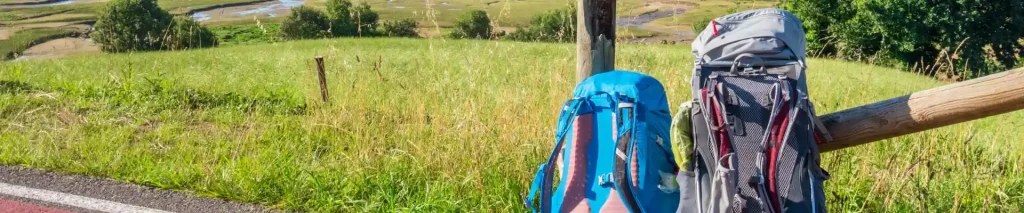
The Camino de Santiago is a unique experience that attracts pilgrims from all over the world. With its diverse routes, each offers its own magic and charm. From the popular and well-known ones such as the French Way and the Portuguese Way to others less travelled such as the Way of the Lighthouses and the Way of the Ria de Muros and Noia, the choice of route will depend on the experience you want to live, the distance you want to travel and the time of year in which you decide to undertake this unique adventure.
The most common is to do the last 100 km of some of the routes, as this is the minimum distance required to obtain the Compostela. If you are looking for a greater challenge, you can also choose to walk along the longer routes.
Camino de Santiago map with distances
Want to know more? Here are the maps of all the routes of the Camino de Santiago, with information on the kilometres of each route, the most common starting points and the main attractions that await you.s de cada ruta, los puntos de inicio más habituales y los mayores atractivos que te esperan.

Map of the French Way
The entire French Way is 773 kilometres long. The most popular starting points are Saint-Jean-Pied-de-Port, Roncesvalles, Pamplona, Burgos, León, Ponferrada and Sarria. The main attractions of this route are the Virgin of Biazkorri in Orisson, Santo Domingo de la Calzada, the Cathedral of León, the Cross of Ferro in Foncebadón, the Templars’ Castle in Ponferrada and the leafy forests of Galicia.
Map of the Portuguese Way
The entire Portuguese Way from Porto has a distance of 250 kilometres. The most popular starting points are Porto, Barcelos, Tui and Vigo. The main attractions on this route are the Cathedral of Santa María in Tui, the Gándaras de Budiño in Porriño, Ponte Sampaio, the Church of La Peregrina in Pontevedra and the Pontecesures Bridge.
Map of the Portuguese Coastal Way
The entire Portuguese Coastal Way from Porto has a distance of 250 kilometres. The most popular starting points are Porto, Barcelos and Baiona. The main attractions on this route are the Templo Votivo do Mar in Panxón, the Monastery of Oia, the Museo-Pazo de Quiñones de León in Vigo, the Iglesia de la Peregrina in Pontevedra and the Pedrón in Padrón.
Map of the English Way
The English Way has a distance of 125 kilometres from Ferrol and 73 kilometres from A Coruña. The main attractions of this route are the Castle of San Felipe in Ferrol, the Stone Bridge in Pontedeume, the Fragas do Eume in Pontedeume, the Monastery of Caaveiro in the Fragas do Eume and the Tower of Hercules in A Coruña.
Map of the Finisterre and Muxía Way
The Finisterre and Muxía Way has a distance of 118 kilometres. The most popular starting point is Santiago de Compostela. The main attractions on this route are the Church of San Marcos in Corcubión, the Cruceiro Marco do Couto in Dumbría and the beach of Langosteira at the cape of Finisterre.
Map of the Northern Way
The entire Northern Way has a distance of 820 kilometres. The most popular starting points are Irún, Bilbao, Gijón, Ribadeo and Vilalba. The main attractions on this route are the Guggenheim Museum in Bilbao, the Castro Urdiales Historic Site, the Palacio de la Magdalena in Santander, Mondoñedo Cathedral and the Monastery of Santa María in Sobrado dos Monxes.
Map of the Primitive Way
The entire Primitive Way has a distance of 314 kilometres. The most popular starting points are Oviedo, Tineo, Berducedo, A Fonsagrada and Lugo. The main attractions on this route are the Cathedral of San Salvador in Oviedo, the Monastery of San Salvador in Cornellana, the Collegiate Church of Santa María la Mayor in Salas, the Monastery of Santa María la Real in Obona and the Lugo City Wall.
Map of the Winter Way
The Winter Way has a distance of 255 kilometres. The most popular starting points are Ponferrada and Monforte de Lemos. The main attractions of this route are the Médulas in El Bierzo, the Lake of Carucedo in El Bierzo, the Montefurado Tunnel in Pena do Corvo, the Ribeira Sacra, the Monastery of San Vicente do Pino in Monforte de Lemos and the Pico Sacro in Boqueixón.
Map of the Via de la Plata
The Via de la Plata has a distance of 115 kilometres. The most popular starting point is Ourense. The main attractions on this route are the Cathedral of San Martiño in Ourense, the Monastery of Santa María la Real in Oseira and the Pazo de Santa Cruz in Ribadulla.
Map of the Lighthouse Way
The Lighthouse Way has a distance of 160 kilometres. The most popular starting point is Ponteceso. The main attractions on the route are the Dombate Dolmen in Cabana de Bergantiños, the Vilán Lighthouse in Camariñas, the Muxía Lighthouse and the Finisterre Lighthouse.
Map of the Santiago Way A Orixe
The Santiago Way A Orixe has a distance of 138 kilometres. The most popular starting point is Corrubedo. The main attractions of the route are the Lighthouse of Corrubedo, the Dunes of Corrubedo, the Church of Santiago de Lampón in A Madalena, the Mills of Ponte Goiáns, the Hillfort of Achadizo in Boiro and the Petroglyphs of Laxe da Cabra in Figueirido.
Map of the Muros and Noia Way
The Muros and Noia Way has a distance of 117 kilometres. The most popular starting points are Muros and Porto do Son. The main attractions of the route are the Church of San Pedro in Muros, the Ponte Nafonso in Noia, the Church of San Martín in Noia and the Monastery and Waterfall of Toxosoutos in Lousame.
Map of the Route of Father Sarmiento
The Route of Father Sarmiento has a distance of 185 kilometres. The most popular starting point is Pontevedra. The main attractions of this section are the church of La Peregrina in Pontevedra, the bridge of O Burgo in Pontevedra, the viewpoint of Punta Vicaño in Sanxenxo, the beach of A Lanzada, the hermitage of San Caralampio in O Grove, the Natural Park of O Carreirón in Illa de Arousa and the Pazo de Vista Alegre in Vilagarcía de Arousa.
The Camino de Santiago offers a unique variety of routes, each with its own history, culture and beauty. Whether you choose the popular French Way or venture along lesser-known routes, each pilgrimage is an opportunity to immerse yourself in the local culture, sample the gastronomy and make connections with pilgrims from around the world. Pack your backpack, select your route and start the experience of a lifetime. ¡Buen Camino!