Today, we are sharing a series of tips for walking the Camino de Santiago. If you have been thinking about embarking on this adventure for a while, you have probably already read blogs and books, watched documentaries and YouTube videos from other pilgrims, and perhaps even seen films such as The Way.
There is a lot of information out there, so we have brought together some of the most useful Camino de Santiago tips and recommendations to help you make the most of the experience.
Many first-time pilgrims wonder whether the Camino will live up to their expectations. However, perhaps the more important question is whether we are ready for what the Camino involves, both physically and mentally.
A pilgrimage to Santiago de Compostela can become an unforgettable experience and, for many people, a journey they want to repeat. However, it is also important not to idealise an adventure that requires physical effort, adaptability, and mental preparation.
You have finally made the decision: you have your dates, your route, and you are starting to prepare for the adventure ahead. Once the decision has been made, there are several factors worth considering.
At Galiwonders, we want to help you enjoy your journey. Here are our main tips for preparing for and walking the Camino de Santiago.

Recommendations Before Walking the Camino de Santiago
We will divide our advice into things to consider during the months before your trip, recommendations for when you are already walking, and a few points to remember once the Camino is over.
Let us start with one of the most important decisions: which Camino de Santiago route should you choose?
Choose the Best Camino Route for You
The Camino should be an experience you can enjoy. Before deciding, take some time to look at the different routes and choose the one that best suits you.

Consider:
✅ How much time you have available.
✅ Your fitness level.
✅ The difficulty of the route.
✅ The time of year.
✅ The type of scenery you are looking for.
✅ Whether you prefer a more social or quieter Camino.
✅ Whether you want to obtain the Compostela.
It is also a good idea to start gradually. Do not try to walk too many kilometres during the first few days if your body is not used to it yet.
How Much Time Do I Have for the Camino de Santiago?
The route you choose will depend largely on the time available and your goals.
If you have around one week and want to obtain the Compostela, you can walk the final section of one of the main Camino routes, as long as you meet the official requirements.
Popular options include:
If you have more time, even several weeks, you can consider completing longer routes such as the French Way from Saint-Jean-Pied-de-Port or the Portuguese Way from Lisbon.
And if obtaining the Compostela is not a priority, you can also choose an intermediate section that appeals to you, such as the route from Porto to Baiona.
Our advice is to spend some time thinking about these variables, because they can make a real difference to your Camino experience.

If you are not particularly active, we recommend starting your preparation gradually.
Look for walking routes near home with different distances and elevation changes, and slowly increase the amount of time you spend walking. Whenever possible, start training several weeks before your trip.
Your body will gradually adapt to the effort, making it easier to manage the daily stages.
People of very different ages and fitness levels complete the Camino every year. The aim is not to discourage you, but to help you understand that the Camino requires some preparation and physical effort.
For example, the Camino Primitivo offers some spectacular scenery, but it also includes significant elevation changes, uneven terrain, and more demanding stages.
The French Way, on the other hand, has many services and offers more opportunities to adapt daily distances. However, if you are looking for solitude and peace, keep in mind that it is also the busiest Camino route.
What Kind of Camino Experience Am I Looking For?
Before starting, it is worth asking yourself what you want from the Camino.
Your motivation may be religious, spiritual, cultural, personal, or physical. All of these are valid.

The Camino also means accepting moments of tiredness, uncertainty, and effort. There may be days when your feet hurt or the stage feels harder than expected.
That is why our advice is simple: walk at your own pace.
Do not try to match the pace of other pilgrims if it does not suit you. Rest, good food, and proper sleep are as much a part of the Camino as walking.
Sharing your experiences with other pilgrims can also help. The Camino community is one of its most special features and can be a source of support during difficult moments.
Enjoy the landscape, the villages, nature, and the people you meet along the way.
Am I Ready to Adapt?
The Camino can present small challenges related to weather, language, culture, or terrain.
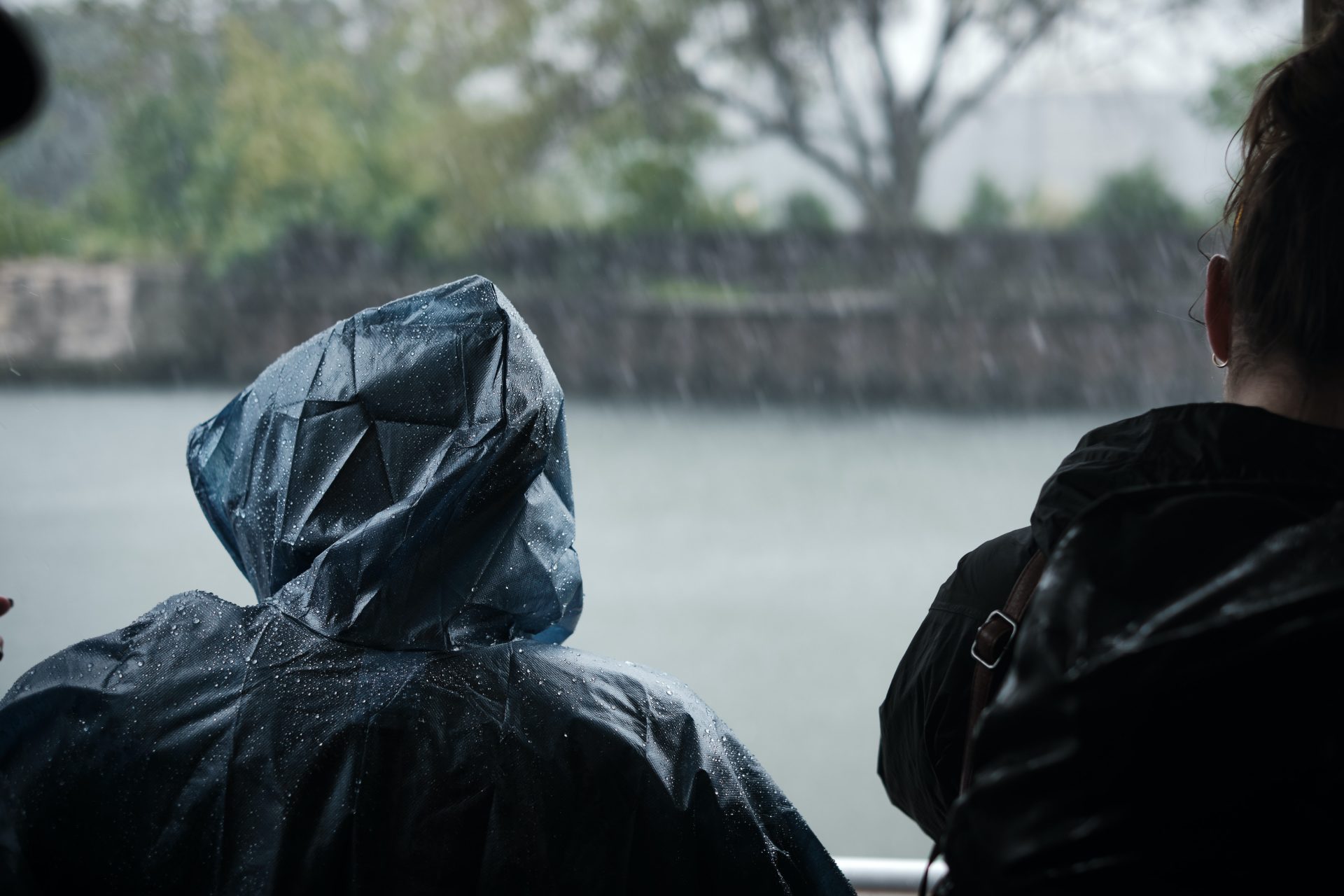
In Galicia, for example, the weather can change quickly, even during the warmer months. For this reason, we recommend always carrying a lightweight rain jacket or poncho.
It is also important to protect yourself from the sun with a hat, sunscreen, and proper hydration.
If you are walking the Camino in summer, wear suitable clothing and avoid garments that may cause friction with backpack straps.
Being adaptable is part of the journey. Meal times, customs, and daily routines may be different from those in your own country, but discovering local culture is part of the experience.
Choose Your Route According to the Experience You Want
Each Camino offers something different.
If you are looking for a social atmosphere and want to meet many other pilgrims, the French Way is usually one of the best choices because it is the most popular route.
If you prefer tranquillity, nature, and less crowded trails, you may want to consider the Camino del Norte or the Camino Primitivo.
The Camino Inglés also has an important historical connection with pilgrims who once travelled by sea from the British Isles and other parts of northern Europe.
Ultimately, there are as many motivations as there are pilgrims.
Training Before Walking the Camino de Santiago
If you do not exercise regularly, one of our main pieces of advice is simple: train before you go.
Start with shorter walks and gradually increase the distance. Try to include hills and elevation changes so your legs can adapt to climbs and descents.
Keep Your Backpack Weight Under Control

Carrying too much weight can cause back discomfort and make the Camino unnecessarily demanding.
Take only what you really need.
If you use a luggage transfer service, you can walk each day with a small backpack containing water, documents, sunscreen, snacks, and anything else you may need during the stage.
Always Carry a Rain Jacket
The weather in Galicia can be very changeable.
Even in summer, rain is possible, so a lightweight rain jacket or poncho takes up little space and can be extremely useful.
Tips for Walking the Camino de Santiago During the Route
Once your Camino has started, there are several other recommendations that can help you enjoy each stage.
Choose the Best Time of Day to Walk
Most pilgrims walk the Camino between spring and autumn, when conditions are generally more favourable.
However, summer temperatures can be high, so it is often better to start walking early.
On hot days:
Start your stage early in the morning.
Wear a hat or cap.
Use sunscreen.
Drink water regularly.
Take breaks when needed.
Avoid walking during the hottest hours when conditions are extreme.
The weather in Galicia can also change quickly, so be prepared for rain even during summer.
Check the Weather Before You Leave
Check the weather forecast every morning.
Walking in dry conditions is very different from walking through rain, mud, wind, or high temperatures.
Knowing what to expect will help you decide what clothing to wear and how to prepare for the day.
Carry Water and Some Food
Staying properly hydrated is essential during physical activity.
It is also a good idea to carry a snack, especially on stages where services may be limited.
On routes such as the French Way, there are usually many cafés, shops, and restaurants. Other Camino routes pass through more isolated areas.
For this reason, check what services are available before starting each stage.
Walk at Your Own Pace
One of the best tips for walking the Camino de Santiago is also one of the simplest: do not rush.
The Camino is not a competition.

Walk at a pace that feels comfortable for you and take breaks whenever you need them.
Take time to enjoy a forest, explore a village, talk to other pilgrims, or simply rest.
Keep an Open Mind
It is likely that some things will not go exactly as you imagined during your trip.
The weather may change, a stage may be harder than expected, or local schedules may be different from those in your home country.
Staying flexible will help you enjoy the experience more.
It is also a great opportunity to discover local life, try Galician food, and meet people from all over the world.
Do Not Try to Control the Entire Experience
Preparing for the Camino is important, but so is leaving room for the unexpected.
Observe, taste, listen, and enjoy.

Everyone experiences the Camino differently, and part of its appeal lies in the moments you cannot plan in advance.
Recommendations After Completing the Camino de Santiago
The Camino de Santiago is a different journey for every person.
Some pilgrims walk for religious or spiritual reasons, others because of cultural interests, personal challenges, sport, or simply the desire to discover new places.
Whatever the motivation, many people feel that the experience continues in some way after reaching Santiago.
Author Karin Kiser, a Camino enthusiast, has written about this transformation and about how some of the lessons learned on the route can be incorporated into everyday life.
After completing the Camino, it may be a good time to reflect on what you experienced, rest, and perhaps start thinking about your next route.
We hope these tips for walking the Camino de Santiago help you prepare for your adventure and enjoy it to the fullest.
More Essential Tips for Walking the Camino de Santiago
You do not need to be a professional athlete to walk the Camino, but a moderate level of fitness is certainly helpful.
Having some previous experience with medium-distance hikes can make a big difference, especially if you are planning to walk around 15–25 km per day for several days in a row.
It is easy to think that you will be able to handle every stage without difficulty, but the Camino can be more demanding than expected. That is why there are a few basic Camino de Santiago tips every pilgrim should keep in mind.
1. Consider a Medical Check-Up Before the Camino
If you have any health concerns, pre-existing conditions, or doubts about your ability to complete the route, it is a good idea to speak with your doctor before travelling.
Once you are ready to begin preparing, start walking regularly and gradually increase the distance.
This will help you learn how to manage your pace, breathing, and effort while reducing the risk of injury.
It is also important to prepare your body properly before and after each stage. Gentle mobility exercises before walking and stretching afterwards can help reduce stiffness and improve recovery.
2. Give Yourself Time to Adapt to Your New Environment
If you are travelling to Spain from another country, especially from a different time zone, you may need time to adapt to local routines.
Jet lag can affect sleep, energy levels, and appetite, so arriving a little before your Camino begins can be helpful if you are travelling long-haul.
Meal times may also be different from what you are used to.
Although many hotels and restaurants along the Camino adapt to international travellers, this is not always possible.
Try to embrace the local rhythm and enjoy it as part of the experience.
Travelling is also about adapting to a different way of life, and the Camino gives you a great opportunity to slow down and experience everyday life in northern Spain and Galicia.
3. Be Prepared for Language Barriers
Spanish is widely spoken throughout Spain, while Galicia also has its own language, Galician.
In larger towns and tourist areas, you will often find people who speak some English, but this is not guaranteed in smaller villages, rural accommodation, bars, or restaurants.
If you are travelling from abroad, learning a few basic words in Spanish or Galician can be extremely useful.
Simple phrases such as hello, thank you, please, water, or where is… ? can make everyday interactions easier.
Online translation tools can also help when communication becomes difficult.
Most importantly, be patient and open-minded. Trying to communicate is often part of the Camino experience itself.

4. Prepare for Both Rain and Sun
Weather is one of the most important factors to consider when preparing for the Camino de Santiago.
Galicia’s climate is strongly influenced by the Atlantic Ocean, the Cantabrian Sea, and its mountainous landscape.
Conditions can vary considerably between coastal areas, inland Galicia, and different seasons.
Rain is common throughout much of the year, but summer can also bring warm or very hot days.
For this reason, it is important to prepare for both rain and sun.
Carry:
🌧️ A lightweight rain jacket or poncho.
🧴 Sunscreen.
🧢 A hat or cap.
💧 Enough water for the stage.
👕 Breathable clothing suitable for changing weather.
Conditions can change quickly, so check the forecast before setting out each day.
5. Do Not Let the Weather Ruin Your Camino
One of the most useful skills on the Camino is adaptability.
Rain, wind, heat, and sudden weather changes are all part of the experience.
If your clothes become wet, change into dry clothing as soon as practical once you finish walking.
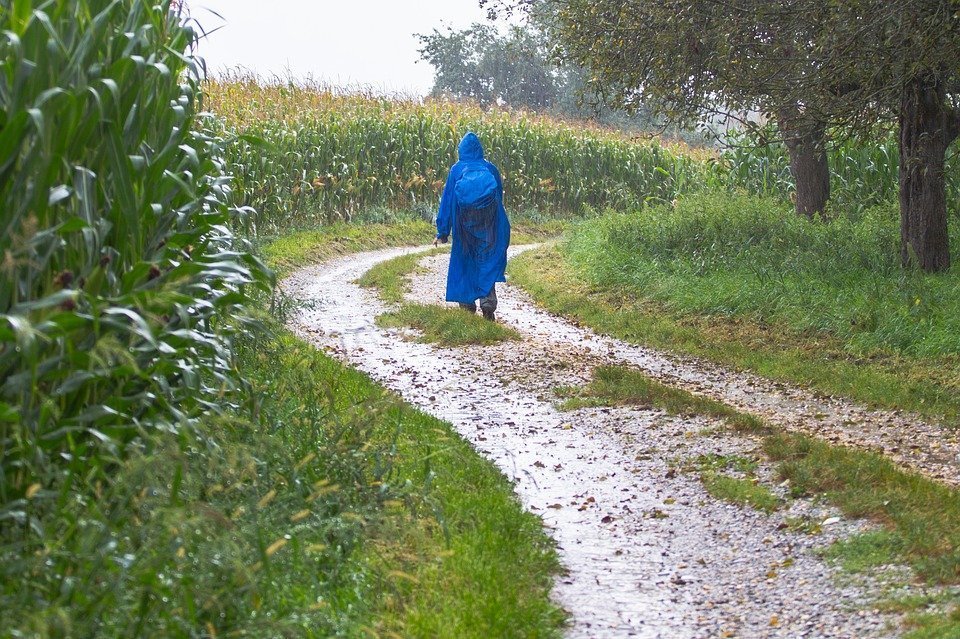
On very hot days, avoid the hottest hours whenever possible and begin your stage early in the morning.
Wear a hat, use sunscreen, stay hydrated, and take regular breaks in the shade.
If you experience symptoms such as dizziness, confusion, severe headache, nausea, or unusual weakness, stop walking and seek help. Heat exhaustion and heatstroke can be serious medical conditions.
The Camino should always be approached responsibly.
6. Remember That the Camino Can Be Physically Demanding
The Camino de Santiago is not simply a leisurely walk.
Depending on the route and stage, you may encounter:
Long distances between services.
Steep climbs and descents.
Uneven or rocky terrain.
Mud.
Remote rural sections.
Limited access to water or food.
Before starting each stage, check the route and services available along the way.
The Camino is generally well signposted, but you should still carry route information or a navigation tool.
If you think you have taken the wrong path, do not simply continue walking in the hope of finding another yellow arrow.
Stop, check your route notes or GPS, retrace your steps if necessary, and ask another pilgrim or local resident for help.
7. Practise Empathy Before, During and After the Camino
The Camino brings together people from different countries, cultures, ages, and backgrounds.
Patience, flexibility, and empathy can make a major difference to the experience.
Try not to treat the Camino as a race.

Walking more slowly allows you to notice more: landscapes, villages, conversations, food, traditions, and small moments that might otherwise pass unnoticed.
A slower approach can help you enjoy the journey rather than focusing only on the destination.
Keep three ideas in mind:
Empathy
Kindness
Cooperation
Helping others and accepting help when you need it are both part of the Camino spirit.
8. Read Your Travel Documentation Before You Start
If you have booked your Camino with Galiwonders, make sure you carefully read the final travel documentation before starting your trip.
The Travel Kit contains practical information about:
🏨 Your accommodation.
🧳 Luggage transfers.
🚐 Private transfers.
🍽️ Meal arrangements.
🗺️ Route information.
📋 Services included in your booking.
It is important not to confuse an initial quotation or preliminary itinerary with your final travel documentation.
Your final Travel Kit contains the information relevant to the services confirmed for your trip.

Our team is here to help before and during your journey, but reading your documentation in advance will make your Camino smoother and help answer many practical questions before you begin.
Take the Camino One Step at a Time
Preparation matters, but so does your attitude.
Walk at your own pace, adapt when necessary, ask for help when you need it, and give yourself time to enjoy the journey.
The Camino is not about walking faster than anyone else. It is about experiencing every stage in your own way.
Buen Camino!