
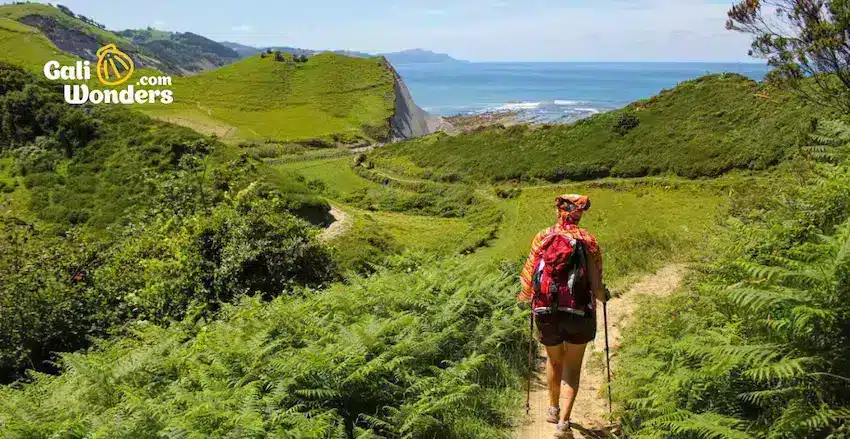

The Camino de Santiago, also known as the Way of Saint James, stands as a timeless pilgrimage that echoes with the footsteps of medieval seekers. Pilgrims embark on this sacred odyssey driven by diverse motives. Beyond being a physical hike, the Camino offers an extraordinary blend of scenic beauty, cultural exploration, and personal introspection, making it a profound journey for those seeking more than just a pilgrimage.
History of the Camino de Santiago
The origins of the Camino de Santiago date back to the year 812 of the 9th century in Santiago de Compostela, when the shepherd Pelayo saw a shower of stars on a hill for several days. Some days later, Pelayo had a dream in which the apostle St. James appeared to reveal to him that those stars indicated the place where his tomb was located.
Thus, Pelayo removed the soil, found his remains and proceeded to inform the bishop of Iria Flavia, who in turn informed King Alfonso II. Alfonso II traveled from Oviedo to Santiago on foot to verify the facts. After he verified the remains, the construction of a small church began in the place of the tomb, which over the centuries would become the Cathedral.
Why Walk the Camino de Santiago?
Although at the beginning of the Camino the reason for walking it was always religious, with the passage of time and the popularization of the routes, the Camino became both a cultural and spiritual journey. Today there are many reasons and ways to do it: by bicycle, with your dog, with your family, on foot… For some, it is about getting closer to God. For others, it’s about overcoming a challenge and making the best of it.
The decision to walk this Spanish pilgrimage transcends the ordinary motivation for a long-distance hike. The Camino beckons individuals seeking a profound and transformative experience, blending spiritual discovery, cultural exploration and personal growth.
How to start planning your walk on the Camino de Santiago
Choose your Route
The first step to walk the Way of St. James is to choose the route that best suits your preferences and your physical condition. In Spain, there are 49 different itineraries, with the French Way and the Portuguese Way being the most popular. Research the characteristics, landscape and historical significance of each route to find the one that suits you best.
Subscribe to our newsletter and receive our FREE Practical Guide to the Camino de Santiago. In this guide you will find all the information you need to start planning your Camino.

Plan a Detailed Itinerary
Once the route has been chosen, it is essential to draw up a detailed itinerary that includes the daily distances covered, possible rest days and overnight stays. Remember that as a Camino de Santiago Travel Agency we design tailor-made itineraries adapted to your needs, preferences and budget and we book all the services for you.
Obtain a Pilgrim’s Credential
The Pilgrim’s Credential is a passport-like document that you will carry with you while walking the Camino. It serves both as a record of your pilgrimage and as a means to obtain the coveted Compostela at the end. Remember that if you book the Camino de Santiago with Galiwonders, we provide it for free.
Pack Light and Smart
To walk the Camino de Santiago it is important to pack efficiently. Limit yourself to the essentials: a pair of comfortable shoes, clothes suitable for the weather, toiletries and a first aid kid kit. The weight of your backpack should not exceed 10% of your body weight. If you do not want to carry your backpack while walking the Camino de Santiago, you can hire a luggage transfer service between stages.
Walking notes
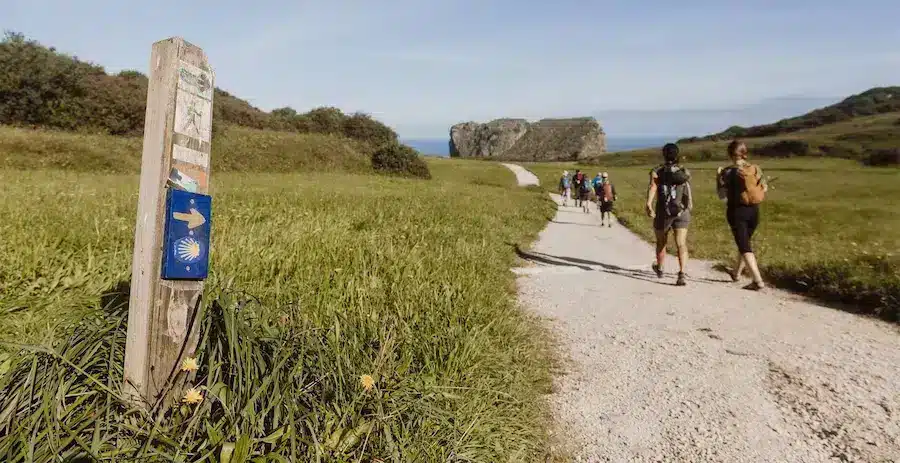
Equip yourself with reliable navigation tools for walking the Camino. Although trail markers (yellow arrows and scallop shells) are plentiful, having a detailed map can provide additional information. If you book the Camino with Galiwonders, we will provide you with walking notes for your route.
Camino de Santiago Walk Map
As we have already mentioned before, there are many different routes of the Camino de Santiago. These pilgrimage routes start in different parts of Europe and Spain and end at the Cathedral of Santiago de Compostela. Although traditionally the pilgrimage started from home, these 9 routes are the ones that have become the most popular itineraries. In this other post you can find the maps of all the routes of the Camino de Santiago.

Camino de Santiago Popular Routes
The French Way and the Portuguese Way are the most popular routes of the Camino de Santiago due to their rich history, varied landscapes, abundance of historical monuments and a well-developed infrastructure that offers a unique accessible pilgrimage experience.
French Way
The French Way covers approximately 499 miles from Saint Jean Pied de Port to Santiago de Compostela. This route is divided into several stages that are usually completed in about 35 days.
The French Way begins in Saint Jean Pied de Port, France, taking pilgrims through diverse landscapes, from rolling hills to plateaus and lush forests. As they progress, walkers pass through charming villages and towns, immersing themselves in the rich culture and traditions of the region. Other popular starting points of the Camino Francés are: Sarria, Burgos, León and Logroño.
The terrain of the French Way is varied, including stretches of cobblestone paths, country roads and forest roads. Along the way, pilgrims enjoy panoramic views, river crossings and encounters with nature at its finests. The most outstanding sites and monuments of this route are: the Virgin of Biakorri, Santo Domingo de la Calzada, the Romanesque Bridge of Puente de la Reina, Leon’s Cathedral, the Cruz de Hierro, the Templars Castle and the Samos Monastery.
Portuguese Way
The Portuguese Way covers approximately 385 miles from Lisbon and 155 miles from Porto. The route can be completed in about 25 days from Lisbon and 13 days from Porto.
From Lisbon, the Portuguese Way winds through rolling countryside, lush forests and charming villages, providing a unique insight into the cultural richness of Portugal. The route from Porto is notable for its vineyards in the Minho River valley.
The terrain of the Portuguese Way varies from rural trails and secondary roads to stretches of forest and coastal scenery. Along the way, pilgrims can enjoy Portuguese hospitality, explore historic churches and sample delicious local cuisine. The route also offers a mix of urban and rural settings, providing a complete experience. The most outstanding sites and monuments of this route are: the Cathedral of Santa María in Tui, the Gándaras of Budiño, the Sampaio Bridge, the Church of the Virgin of La Peregrina and the Pontecesures Bridge.
How long does it take to walk the Camino?
This is one of the most typical questions among pilgrims. We cannot give a single answer to this, because the duration of the pilgrimage along the Camino de Santiago varies depending on several factors. The route chosen is a determining factor, with longer routes. such as the French Way, taking about 34 days to cover some 499 miles, while shorter alternatives, such as the English Way or the Camino de Finisterre, offer faster options. The pace of the walk, detours and side trips, weather conditions and your physical condition also influence the length of the journey.
How many miles is the Camino de Santiago walk?
Like we said before, the miles on the Saint James Walk depend on the specific route chosen.
| Route | Maximum Mileage |
|---|---|
| French Way | 499 miles |
| Portuguese Way | 385 miles |
| Portuguese Coastal Way | 385 miles |
| Northern Way | 509 miles |
| Primitive Way | 195 miles |
| English Way (from Ferrol) | 77 miles |
| English Way (from A Coruña) | 45 miles |
| Vía de la Plata | 71 miles |
| Finisterre & Muxía Way | 73 miles |
| Atlantic Way | 129 miles |
| Muros & Noia Way | 72 miles |
| Winter Way | 158 miles |
| Lighthouse Way | 99 miles |
| Route of Father Sarmiento | 114 miles |
| A Orixe Way | 85 miles |
What is the best time to walk the Camino?
The best time to walk the Camino de Santiago depends on the personal preferences of each pilgrim and their travel conditions. Each season has its own advantages and disadvantages.
Our recommendation is to do the Camino in spring or autumn. On these dates the influx of pilgrims is less than in summer and services are working at full capacity, so finding accommodation and transport should not be a problem. In addition, in these two seasons the weather conditions are more favorable for walking.
How hard is the Camino Walk?
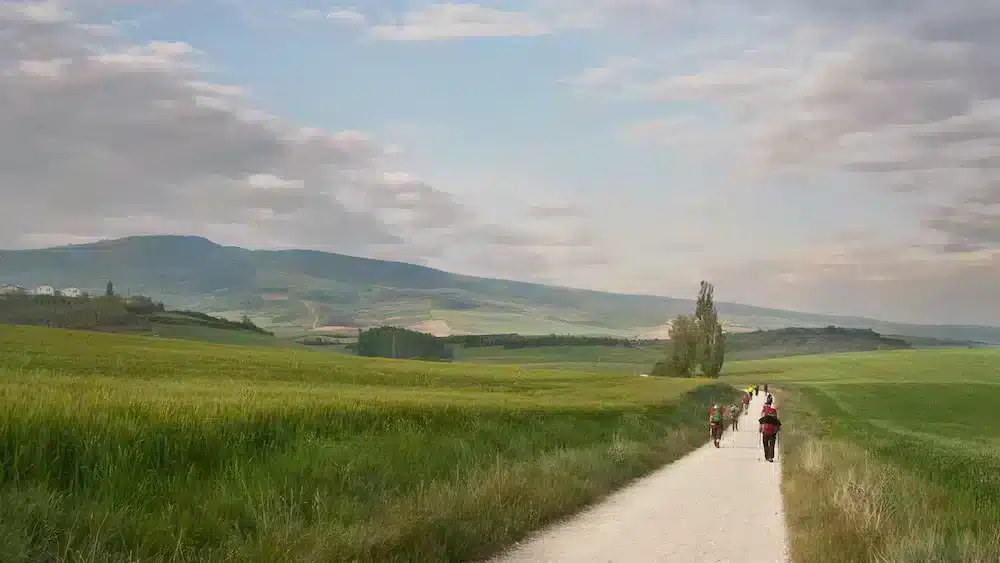
The difficulty of walking the Way of St. James varies based on the chosen route. Some paths face challenging mountainous terrain, while others offer a more leisurely stroll through picturesque landscapes. Assess your physical condition and choose a route that aligns with your fitness level. Regular walking and conditioning exercises can help prepare your body for the journey ahead.
How to train for walking the Camino?
Walking the Camino is a profound adventure that goes beyond a mere walk. Preparing yourself physically and mentally is paramount to a successful pilgrimage. Start by walking regularly and gradually increase the distance. Include elevation in your training to prepare for hilly sections. Mental preparation involves accepting the unpredictable nature of the journey and cultivating resilience.
Discover other pilgrimage walks around the World
Embarking on other pilgrimages after completing the Camino de Santiago can be an enriching and transformative experience for several reasons.
Via Francigena (UK, France, Switzerland and Italy)
The Via Francigena is a pilgrimage route connecting Canterbury in England with Rome in Italy. This ancient road of approximately 1,180 miles follows in the footsteps of Sigerico, a medieval archbishop.
Lighthouse Way (Galicia)
The Lighthouse Way is a hiking route on the Atlantic coast of Galicia. It stretches for about 100 miles and follows the line of lighthouses that line the coast. This trail offers stunning sea views, unspoilt beaches and the opportunity to explore authentic Galician coastal life.
St. Olav (Norway)
The Norwegian pilgrimage, also known as St. Olav Ways is a network of routes that lead pilgrims to Nidaros Cathedral in Trondheim. These routes follow in the footsteps of King Olav II, considered a saint in the Christian tradition.
Kumano Kodo (Japan)
Located on the Kii Peninsula, the Kumano Kodo is a network of pilgrimage routes in Japan connecting various shrines, including the famous Kumano Sanzan. These routes offer a spiritual and cultural experience, passing through forests, mountains and small local communities.
Embarking on the Camino de Santiago is a profound adventure that goes beyond a mere walk. It’s a journey of self-discovery, cultural immersion and spiritual awakening. By understanding the nuances of the pilgrimage and adequately preparing, you pave the way for an enriching and transformative experience that will stay with you long after you reach the hallowed grounds of Santiago de Compostela.




5 Responses
I was just told about this pilgrimage by our landlady as she would like to have done this in her younger years.
She has the seashell with the cross on it and a book entitled “Will you walk with me?”
Thank you for sharing that! What a lovely story. 😊 It’s never too late to experience the Camino, and many people of all ages enjoy walking at least part of the route.
If you decide to make the journey, we’d be delighted to help you plan an itinerary that suits your pace and preferences. Please contact here: [email protected] Buen Camino! 🌿
Would appreciate more details on a walk for an older female wishing wishing to complete at least part of the Camino Walk.
Thank you for your interest, Sally!
We’d be happy to help you find the best Camino route. Could you please email us at [email protected] with your preferred travel dates and any preferences you have (such as route, daily walking distance, accommodation type, or any special requirements)?
We’ll be happy to prepare a personalized proposal for you. 😊
Thank you for your interest, Sally!
We’d be delighted to help you plan a Camino that suits your pace. We can recommend routes with short daily walking distances, comfortable accommodations, luggage transfers, and support throughout your journey, making it an excellent option for older pilgrims.
Please email us at [email protected] with your preferred travel dates and any preferences you may have, and we’ll be happy to prepare a personalized itinerary for you. 😊