Walking the Camino de Santiago is more than just a journey. It is an unforgettable experience through history, culture, and breathtaking landscapes. But with so many routes to choose from, which Camino de Santiago route is the most beautiful?
From dramatic Atlantic coastlines to green mountains and charming medieval villages, each route offers something different. In this guide, we explore the most scenic Camino de Santiago routes to help you choose the one that best matches your interests, fitness level, and available time.
⭐ GALIWONDERS TIP: If you’re walking during the 2027 Camino Holy Year, quieter routes like the Primitivo or the Norte are worth considering.
The French Way (Camino Francés) – Classic and Varied
The French Way (Camino Francés) is the most famous Camino de Santiago route and one of the best choices for first-time pilgrims.
Traditionally starting in Saint-Jean-Pied-de-Port, France, it crosses the Pyrenees and continues through northern Spain before reaching Santiago de Compostela.
Along the way, pilgrims discover an impressive variety of landscapes, from mountain scenery and rolling vineyards to green valleys, open countryside, and charming medieval towns.
Some of its most memorable places include Roncesvalles, the vineyards of La Rioja, the landscapes of El Bierzo, and the traditional villages of Galicia.
Why choose it? The French Way combines scenic diversity with excellent services, well-marked trails, and historic towns that bring the Camino’s story to life.
For beginners or travellers with limited time, the last 100 km from Sarria to Santiago offer a manageable and beautiful pilgrimage that qualifies for the Compostela certificate when the official requirements are met.
The Portuguese Way (Camino Portugués) – Culture, Nature and Coastal Alternatives
The Portuguese Way (Camino Portugués) is another beautiful route to Santiago de Compostela, combining Portugal’s cultural heritage with the green landscapes of Galicia.
Starting in Lisbon or Porto, the traditional Central Route passes through historic towns, riverside paths, rural landscapes, and picturesque villages.
It is particularly appealing to pilgrims looking for a combination of culture, gastronomy, and nature, with generally less demanding terrain than some of the mountainous Camino routes.
For those who prefer ocean views, the Portuguese Coastal Way offers an alternative from Porto, following sections of the Atlantic coastline before connecting with the route towards Santiago.
Along the way, pilgrims can enjoy beaches, seaside towns, and beautiful coastal landscapes.
Why choose it? The Portuguese Way is ideal for travellers who want to combine natural beauty, local cuisine, and cultural experiences, with the flexibility to choose between inland and coastal scenery.
Camino del Norte – Dramatic Coastal Scenery
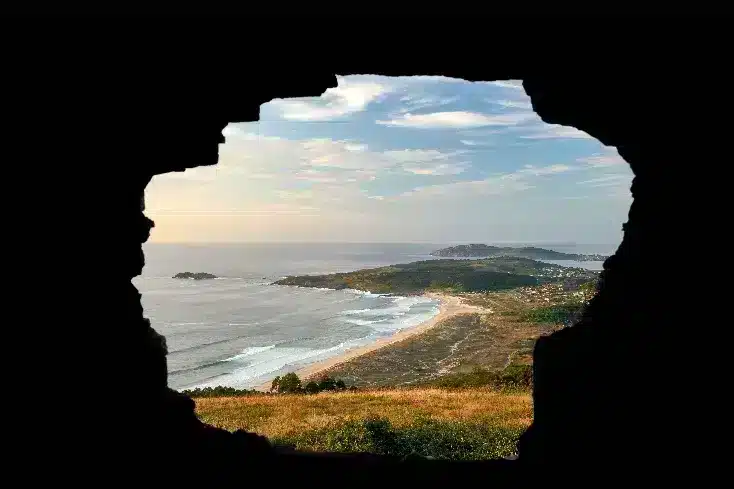
If you love rugged coastlines, sandy beaches, and panoramic ocean views, the Camino del Norte is one of the most scenic Camino de Santiago routes.
Following Spain’s northern coast through the Basque Country, Cantabria, Asturias, and Galicia, this route offers green hills, dramatic cliffs, beautiful beaches, and charming seaside towns.
The Camino del Norte generally attracts fewer pilgrims than the French Way, making it an appealing choice for those seeking a quieter experience.
However, its frequent ascents and descents can make some stages physically demanding.
Why choose it? The Camino del Norte is perfect for walkers who enjoy coastal landscapes, photography, and exploring the natural beauty of northern Spain.
If walking near the sea is your priority, this route is one of the strongest contenders for the most beautiful Camino de Santiago.
Camino Primitivo – For Nature and Challenge
The Camino Primitivo, also known as the Original Way, is traditionally considered the oldest Camino de Santiago route.
Starting in Oviedo, its origins are associated with the pilgrimage of King Alfonso II of Asturias to Santiago in the 9th century.
This route is more physically demanding than many other Camino itineraries due to its mountainous terrain and significant elevation changes.
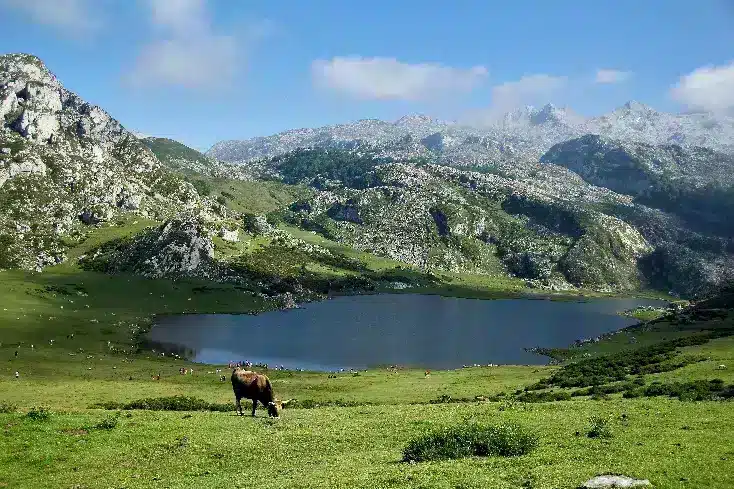
However, the effort is rewarded with extraordinary scenery, including green valleys, remote villages, forests, and beautiful mountain landscapes across Asturias and Galicia.
Much of the Camino Primitivo offers a quieter atmosphere than the more popular routes, although it joins the French Way for the final stages towards Santiago.
Why choose it? The Camino Primitivo is ideal for experienced walkers or pilgrims seeking a more immersive experience in nature.
For those who enjoy mountain scenery, physical challenges, and peaceful surroundings, it is one of the most rewarding Camino routes.
Ideal for experienced walkers or those seeking a more immersive experience in nature, this route combines physical challenge with spiritual reflection, offering a Camino that feels both ancient and intimate.
Camino Inglés – A Shorter, Peaceful Route Through Galicia
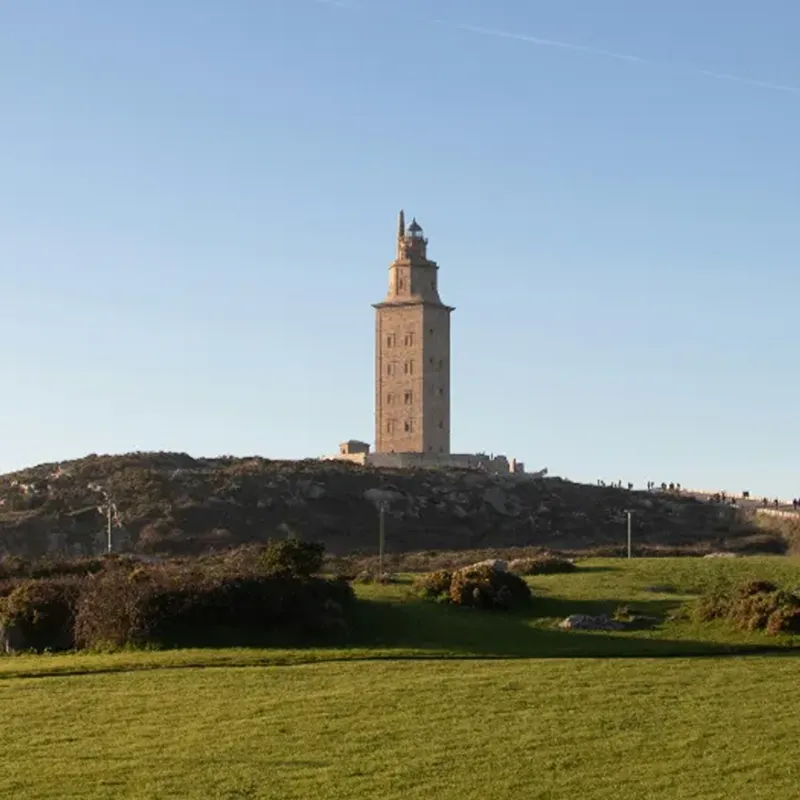
The Camino Inglés, starting in Ferrol or A Coruña, is an excellent option for travellers looking for a shorter and quieter pilgrimage through Galicia.
The route passes through peaceful forests, rural landscapes, historic towns, and traditional Galician villages.
Starting in Ferrol allows pilgrims to complete the minimum walking distance required for the Compostela certificate.
The route from A Coruña, on its own, does not meet the standard 100 km walking requirement.
Why choose it? The Camino Inglés is ideal for travellers with limited time who want to enjoy Galicia’s green landscapes and a less crowded pilgrimage experience.
Via de la Plata – Wide-Open Landscapes and Historic Cities
The Via de la Plata is one of the longest Camino de Santiago routes, traditionally starting in Seville and crossing southern and western Spain.
Along the way, pilgrims discover rolling countryside, ancient Roman heritage, historic cities, and peaceful rural villages.
Walking the entire route requires several weeks, but shorter itineraries are possible, including the Camino Sanabrés from Ourense, which can be completed in approximately one week.

Why choose it? The Via de la Plata is an excellent option for experienced pilgrims seeking tranquillity, cultural heritage, and landscapes that differ from the more popular Camino routes.
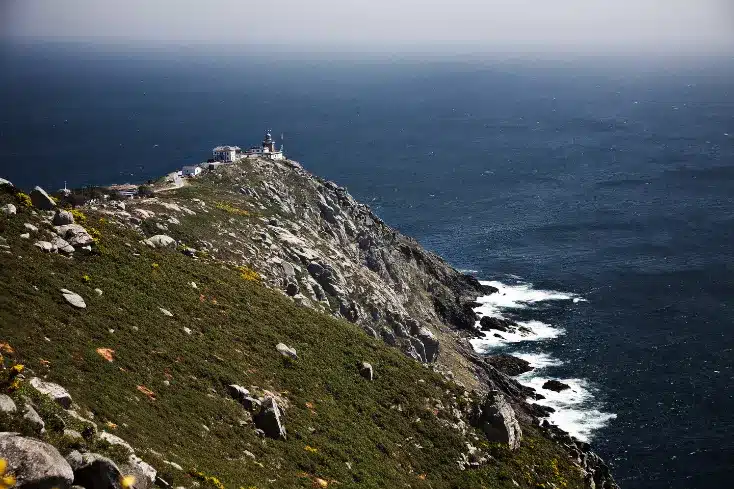
Camino Finisterre & Muxía – The Coastal Epilogue
The Camino Finisterre and Muxía is a unique continuation of the pilgrimage for travellers who have already reached Santiago de Compostela.
Unlike the routes leading to Santiago Cathedral, this itinerary starts in Santiago and continues west towards Galicia’s Atlantic coast.
Pilgrims can walk to Finisterre, Muxía, or combine both destinations, depending on their chosen itinerary.
Along the way, they discover peaceful forests, rural villages, beautiful beaches, and dramatic ocean views.
One of the most iconic places is Cape Finisterre, traditionally associated with the idea of the “End of the World.”
Muxía, meanwhile, is known for its spectacular coastal setting and the Sanctuary of Our Lady of the Boat.
Why choose it? The Camino Finisterre and Muxía is perfect for pilgrims who want to extend their journey, enjoy Galicia’s Atlantic landscapes, and experience a peaceful conclusion to their Camino.
How to Choose the Most Beautiful Camino Route
Ultimately, the most beautiful Camino de Santiago route depends on your preferences, fitness level, and the type of experience you are looking for.
Each Camino offers something different, from spectacular coastal scenery to mountain landscapes and historic villages.
Here are our recommendations:
👣 First-time pilgrims: French Way or Portuguese Way.
👣 Coastal scenery: Camino del Norte or Portuguese Coastal Way.
👣 Mountains and nature: Camino Primitivo.
👣 Historic towns and varied landscapes: French Way.
👣 Limited time: Camino Inglés from Ferrol or the final 100 km of the French or Portuguese Way.
👣 Peaceful landscapes and cultural heritage: Via de la Plata.
👣 An unforgettable Atlantic finale: Camino Finisterre and Muxía.
So, Which Camino de Santiago Route Has the Best Scenery?
If natural beauty is your main priority, three routes stand out:
Camino del Norte: for its beaches, cliffs, and spectacular views of the Cantabrian Sea.
Camino Primitivo: for its mountains, green valleys, and peaceful forests.
Portuguese Coastal Way: for its Atlantic scenery, beaches, and charming seaside towns.
However, if you prefer a combination of different landscapes, historic towns, and traditional Camino experiences, the French Way remains one of the most complete options.
No matter which route you choose, every Camino offers a unique combination of landscapes, culture, and unforgettable experiences.
💡 TIP: Plan your Camino with local experts to find the route that best suits your pace, interests, and available time.
Explore our Camino de Santiago trips and enjoy a personalised pilgrimage experience.
Subscribe to our newsletter and receive our FREE Practical Guide to the Camino de Santiago. In this guide you will find all the information you need to start planning your Camino.