The Camino de Santiago, or the Way of Saint James, is more than just a hiking trail; it’s a journey that has captivated the hearts and minds of pilgrims for centuries. Whether you seek physical challenge or simple the adventure of a lifetime, the Camino offers a unique experience that is unlike any other.
What is the Camino de Santiago Road?
The Camino de Santiago is a network of ancient pilgrim routes that converge at the shrine of the Apostle Saint James the Great in the cathedral of Santiago de Compostela in Galicia, Spain. Legend has it that the remains of the Apostle are buried there, making it one of the most significant Christian pilgrimage sites. The journey to Santiago has been undertaken by millions of people over the centuries, each bringing their own reasons and stories to this storied path.
Routes on the Camino de Santiago Road
French Road
The French Way is the most popular and well-traveled road, starting in Saint-Jean-Pied-de-Port in France and stretching approximately 780 kilometers to Santiago de Compostela. This route is renowned for its rich history, diverse landscapes and numerous pilgrim-friendly amenities.

Portuguese Road
Starting in Lisbon or Porto, the Portuguese Way is another beloved road that offers a slightly quieter experience compared to the bustling French Way. The journey from porto to Santiago spans around 240 kilometers, passing through charming towns and scenic countryside.
Portuguese Coastal Road
For those who prefer coastal views, the Portuguese Coastal Way begins in Porto and follows the Atlantic coastline northward into Galicia. This route is known for its stunning beaches, fresh seafood, and picturesque fishing villages.
Northern Road
The Northern Way follows the northern coast of Spain from Irún to Santiago, covering about 820 kilometers. This route is perfect for those who enjoy rugged coastal scenery and less crowded paths, offering a more challenging and solitary experience.
Subscribe to our newsletter and receive our FREE Practical Guide to the Camino de Santiago. In this guide you will find all the information you need to start planning your Camino.

Primitive Road
The oldest known route, the Primitive Way starts in Oviedo and covers roughly 320 kilometers to Santiago. It is celebrated for its historical significance and breathtaking mountainous terrain, appealing to seasoned hikers seeking a more demanding trek.
English Road
The English Way starts in the northern ports of Ferrol and A Coruña and stretches about 120 and 73 kilometers to Santiago, respectively. Historically used by pilgrims arriving by the sea from England and other northern European countries, this route offers a shorter but equally enriching pilgrimage experience.
Finisterre Road
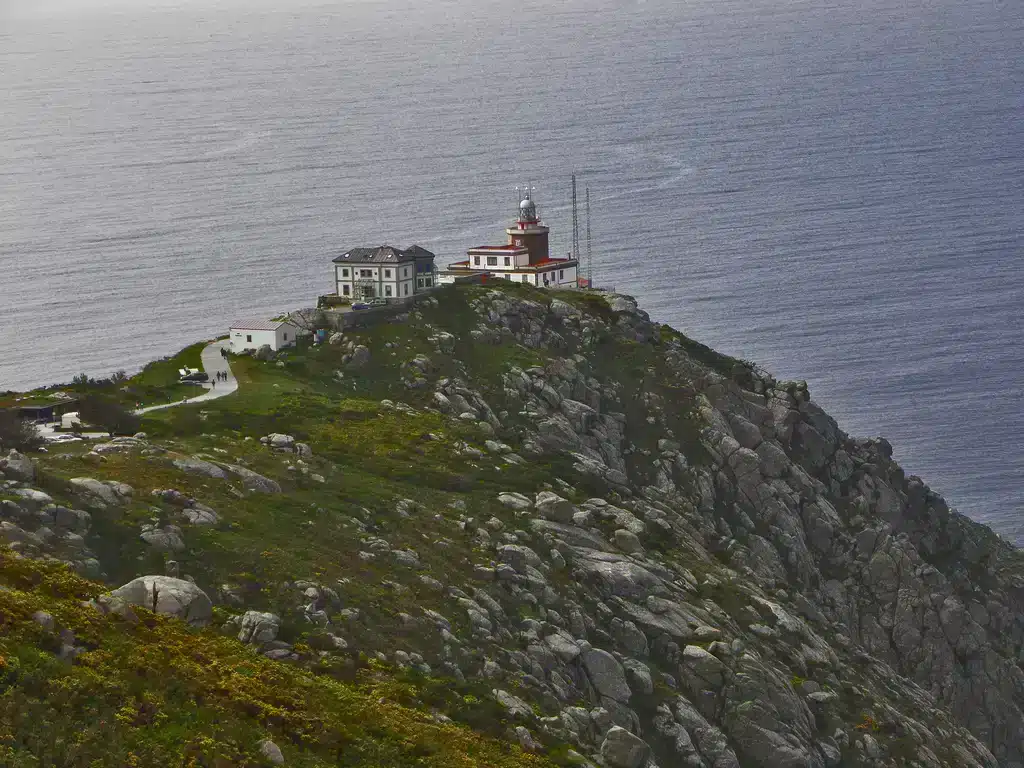
While Santiago de Compostela is the traditional endpoint, many pilgrims choose to extend their journey to Cape Finisterre on the Atlantic coast, believed to be the “end of the world” in medieval times. This additional 90-kilometer route offers a symbolic conclusion to the pilgrimage.
How long does it take to walk the Camino de Santiago Road?
The duration of your Camino journey will depend on several factors, including the chosen route, your pace and the number of rest days you take. Generally, it takes about 4-6 weeks to complete the French Way, 2-3 weeks for the Portuguese Way and around a week for shorter routes like the English Way. It’s essential to listen to your body, pace yourself and enjoy the journey rather than rush to the destination.
| Route | Mileage | kilometers |
|---|---|---|
| French Way | 499 miles | 740 km |
| Portuguese Way | 385 miles | 620 km |
| Portuguese Coastal Way | 385 miles | 620 km |
| Northern Way | 509 miles | 820 km |
| Primitive Way | 195 miles | 314 km |
| English Way (from Ferrol) | 77 miles | 118 km |
| English Way (from A Coruña) | 45 miles | 73 km |
| Vía de la Plata | 71 miles | 115 km |
| Finisterre & Muxía Way | 73 miles | 118 km |
| Atlantic Way | 129 miles | 209 km |
| Muros & Noia Way | 72 miles | 117 km |
| Winter Way | 158 miles | 255 km |
| Lighthouse Way | 99 miles | 160 km |
| Route of Father Sarmiento | 114 miles | 185 km |
| A Orixe Way | 85 miles | 138 km |
When is the best time to hike the Camino de Santiago Road?
The best time to hike the Camino de Santiago depends on your preferred weather and crowd levels. We recommend the spring (April to June) and fall (September and October) because these are generally considered the most favorable seasons for hiking due to mild weather and longer daylight hours. July and August can be hot and crowded, while winter months offer solitude but come with colder temperatures and potential snowfall in higher regions.
How hard is it to walk the Camino de Santiago Road?
The difficulty of the Camino de Santiago road varies by route and individual fitness levels. The French Way and Portuguese Way are relatively moderate, with well-marked paths and frequent accommodation. The Northern and Primitive Ways present more challenging terrain, with steep ascents and fewer services. Regardless of the route, physical preparation, comfortable footwear and a positive mindset are crucial overcoming the inevitable challenges.
Which Camino de Santiago road is right for me?
People select their Camino de Santiago various factors. The most common ones include ease of access, weather, landscape and the number of fellow travelers. For instance, the first leg of the French Way is quite hilly, much of the Portuguese Coastal Way is by sea, and the final segments of both the French and Portuguese Way are tipically very busy. Some pilgrims opt to walk the entire route from start to finish, while others prefer to tackle it in sections.
Deciding which route and stages align best with your personal preferences can be daunting. Our Camino experts at Galiwonders are here you find the perfect route quickly. Remember that as a Camino de Santiago Travel Agency we design tailor-made itineraries adapted to your needs, preferences and budget and we book all the services for you.