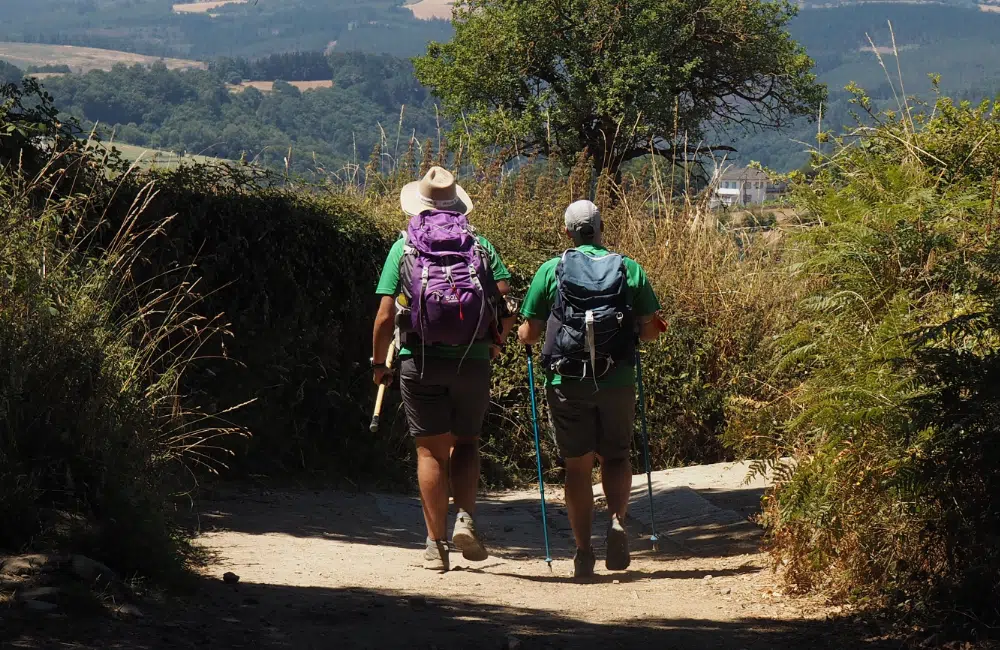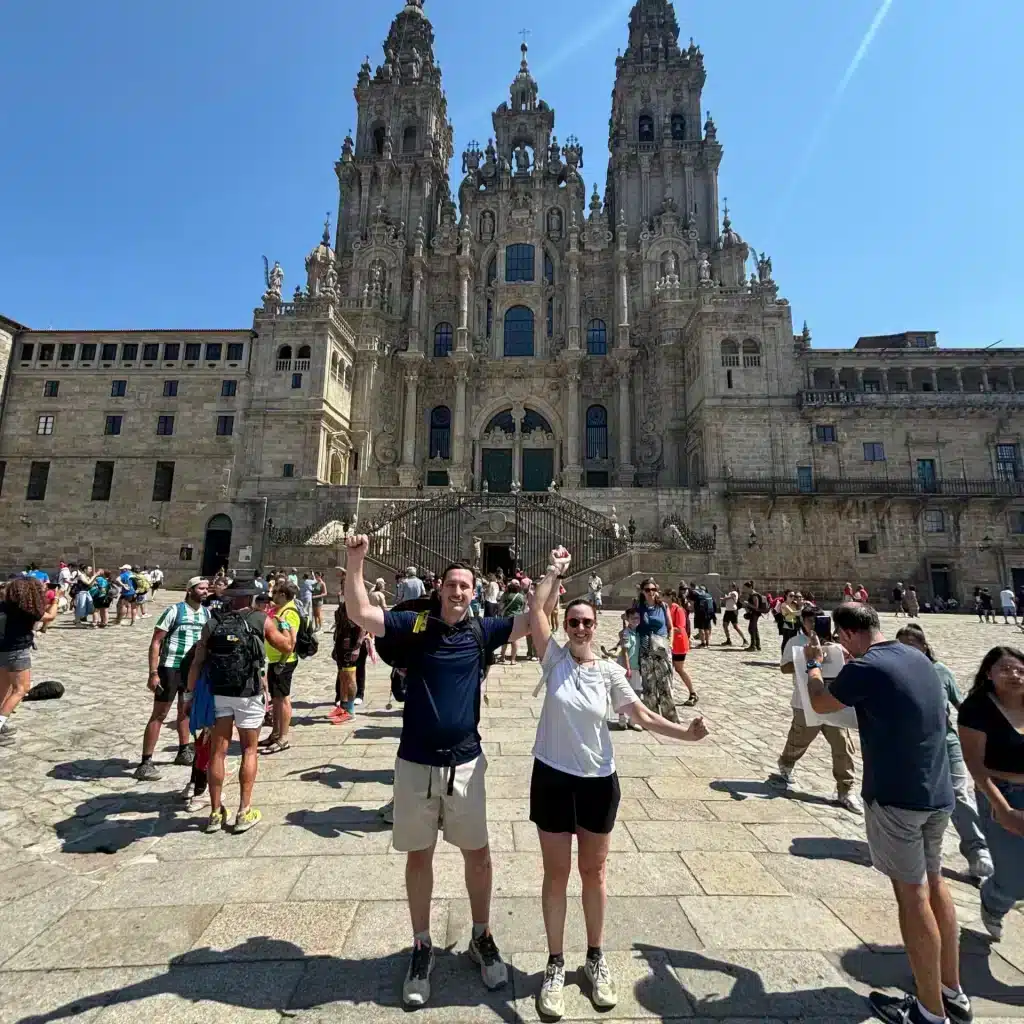
If you have one week to walk the Camino de Santiago, the answer is yes: 7 days are enough to enjoy a complete pilgrimage experience and earn the Compostela, as long as you walk at least the final 100 km to Santiago.
A 7-day Camino usually means covering between 15 and 25 km per day, depending on the route, terrain and your preferred pace. Compared with a shorter itinerary, one week gives you more flexibility to divide the route into balanced stages, explore the towns along the way and arrive in Santiago without rushing.
There are several routes that fit perfectly into a one-week holiday, including the Portuguese Way from Tui, the French Way from Sarria, the English Way from Ferrol and the Portuguese Coastal Way from Baiona.
In this guide, you will discover the best routes for a 7-day Camino de Santiago, the approximate distance you will walk each day, the Compostela certificate requirements and the services that can make your journey more comfortable.
If you prefer to leave the planning to local experts, Galiwonders can help you organize your Camino de Santiago with a personalised itinerary, private accommodation and luggage transfer.
Camino de Santiago in 7 days at a glance
| Duration | Recommended route | Total distance | Compostela? |
|---|---|---|---|
| 7 days | Portuguese Way from Tui | Around 119 km | Yes |
| 7 days | French Way from Sarria | Around 114 km | Yes |
| 7 days | English Way from Ferrol | Around 118 km | Yes |
| 7 days by bike | Several official routes | At least 200 km | Yes |
⚠️The distances are approximate and may vary slightly depending on the accommodation selected and the exact itinerary.
Is 7 Days Enough for the Camino de Santiago?
Absolutely. Seven days are enough to walk one of the final sections of the Camino and reach Santiago at a comfortable pace.
Most pilgrims walk between 15 and 25 km per day. This means that a typical 7-day Camino itinerary covers approximately 110 to 160 km, depending on the route and the length of each daily stage.
This is more than enough to meet the minimum distance required for the Compostela certificate on several official routes.
A one-week Camino offers a more complete experience than a short weekend itinerary. You will have time to enjoy the landscapes, stop in historic towns, meet other pilgrims and gradually settle into the rhythm of the route.
It is an excellent option for:
- First-time pilgrims.
- Couples and groups of friends.
- Senior travellers.
- Families with older children.
- Active travellers with limited holiday time.
- Pilgrims who want to earn the Compostela.
- Travellers who prefer shorter and more balanced stages.
Some of the main advantages of a 7-day Camino are:
- You can receive the Compostela certificate.
- Daily stages can be shorter and more manageable.
- You have more time to visit towns and monuments.
- It is suitable for different fitness levels.
- You can choose between coastal, rural and historic routes.
- It fits comfortably into a one-week holiday.
- You can combine walking with private accommodation and luggage transfer.
You do not need to be an experienced hiker, but you should be comfortable walking for several hours on consecutive days. A moderate level of fitness and some preparation before your trip will make the experience much more enjoyable.
Best Routes for the Camino in 7 Days
There is no single best route for every pilgrim. Your choice will depend on whether you prefer a social atmosphere, coastal scenery, historic towns, quieter trails or shorter daily stages.
These are some of the best routes for a 7-day pilgrimage to Santiago.
Camino Francés in 7 days: from Sarria to Santiago
The French Way from Sarria is the classic choice. Lush forests, quiet country roads, and villages full of life. Ideal for a social Camino with great infrastructure.

The route covers approximately 114 km and passes through Portomarín, Palas de Rei, Melide and Arzúa before reaching Santiago.
It is the best route for many first-time pilgrims because it offers excellent waymarking, a lively atmosphere and a wide range of services. You will walk through forests, farmland and traditional Galician villages while meeting pilgrims from around the world.
Most people complete this section in five or six days. With seven days available, you can divide the longer stages and enjoy a gentler walking rhythm.
⚠️ INSIDER TIP: The French Way from Sarria is very popular during spring and summer. Book your accommodation in advance, especially if you plan to travel around Easter, July or August.
Camino Portugués in 7 Days: from Tui to Santiago
Historic route with vineyards, Romanesque churches, and delicious local wines. Perfect if you want a mix of history and gastronomy.

The Portuguese Way from Tui is one of the best options for a 7-day Camino de Santiago itinerary.
The route covers approximately 119 km and passes through historic towns such as Tui, Pontevedra, Caldas de Reis and Padrón before reaching Santiago de Compostela.
It combines woodland paths, vineyards, rural villages, medieval bridges and lively town centres. The route is well signposted and offers a good network of accommodation, cafés and services for pilgrims.
Although many travellers complete it in five or six stages, walking it in seven days allows you to shorten some of the longer sections and enjoy a more relaxed pace.
It is especially suitable for beginners, senior travellers and anyone looking for a balanced route with culture, gastronomy and nature.
Camino Inglés in 7 days: from Ferrol to Santiago
The English Way from Ferrol covers approximately 118 km to Santiago.
This historic route was traditionally used by pilgrims arriving by sea from northern Europe. Today, it is a quieter alternative to the French and Portuguese Ways.
The route combines coastal views, forests, medieval towns and rural landscapes. Some stages include noticeable climbs, particularly during the first half of the journey.
A 7-day itinerary allows you to divide the route into comfortable stages and enjoy its peaceful atmosphere without rushing.
It is a good choice for travellers looking for a less crowded Camino with a strong connection to Galicia’s maritime history.
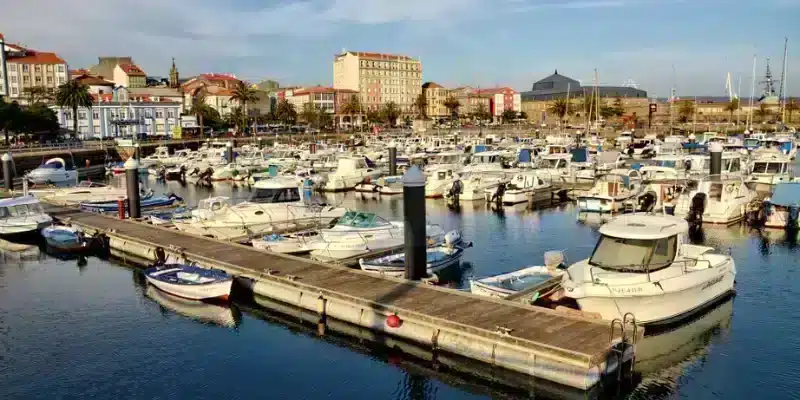
Camino Portugués Coastal in 7 days: from Baiona to Santiago
The Portuguese Coastal Way from Baiona combines Atlantic scenery with some of the most attractive towns in southern Galicia.
The journey begins near the coast and passes through Baiona, Vigo and Redondela before joining the inland Portuguese Way towards Pontevedra, Caldas de Reis, Padrón and Santiago.
This route is ideal for travellers who want to enjoy beaches, fishing towns, local seafood and ocean views during the first part of their pilgrimage.
Some stages can be relatively long, but a 7-day itinerary makes the route manageable for most pilgrims with a moderate level of fitness.

⚠️INSIDER TIP: Due to high summer beach tourism, accommodations fill up quickly, so we recommend booking in advance!
Camino Primitivo in 7 days: from Lugo to Santiago
The Primitive Way from Lugo allows you to complete the final section of one of the oldest pilgrimage routes to Santiago.
This itinerary covers slightly more than 100 km and combines Roman heritage, rural landscapes and quieter paths before joining the French Way in Melide.
Starting in Lugo avoids the most demanding mountain sections of the full Primitive Way. However, you should still expect some uneven terrain and moderate climbs.
It is an excellent option for travellers who enjoy history, nature and routes with fewer pilgrims.
The oldest Camino, rich in history and scenic landscapes. Perfect for those seeking culture and nature.
Other 7-day Camino de Santiago options
There are other routes that can also be adapted to one week, depending on your interests and experience.
| Route | Starting point | Approximate distance | Best for |
|---|---|---|---|
| Northern Way | Vilalba | Around 120 km | Nature and quieter trails |
| Finisterre and Muxía Way | Santiago | Around 115–120 km | Atlantic landscapes and symbolism |
| Camino by bike | Depends on the route | At least 200 km | Active cyclists |
Day-by-day itinerary: Portuguese Way in 7 days
The Portuguese Way from Tui is one of the most balanced routes for a one-week Camino. It offers manageable daily distances, historic towns and a good range of services.
This proposed Camino de Santiago 7 days itinerary keeps most stages below 22 km and allows you to enjoy a short final walk into Santiago.
📌 Example of the Portuguese Way: Tui→ Santiago de Compostela (7 days)
| Day | Stage | Distance | Difficulty | Highlights |
|---|---|---|---|---|
| Day 1 | Tui to O Porriño | Around 19 km | Easy to moderate | Tui Cathedral and its medieval old town |
| Day 2 | O Porriño to Redondela | Around 16 km | Moderate | Rural paths and views over the Vigo estuary |
| Day 3 | Redondela to Pontevedra | Around 19 km | Moderate | Pontesampaio Bridge and forest trails |
| Day 4 | Pontevedra to Caldas de Reis | Around 21 km | Easy to moderate | Pontevedra old town and traditional villages |
| Day 5 | Caldas de Reis to Padrón | Around 19 km | Easy | Thermal heritage and the Ulla valley |
| Day 6 | Padrón to Teo | Around 13 km | Easy | Padrón’s Jacobean history |
| Day 7 | Teo to Santiago | Around 12 km | Easy | Arrival at Santiago Cathedral |
Can You Get the Compostela in 7 Days?
Yes. A 7-day Camino can meet the official Compostela certificate requirements.
To qualify, you must:
- Walk at least the final 100 km to Santiago.
- Cycle at least the final 200 km to Santiago.
- Follow an official Camino route that finishes in Santiago.
- Carry a Pilgrim Passport, also known as the Credencial del Peregrino.
- Collect the required stamps during your journey.
- Complete the pilgrimage for religious, spiritual or personal reasons.
During the final 100 km, pilgrims should normally collect at least two stamps per day. These can be obtained from churches, accommodation, cafés, restaurants, tourist offices and other establishments along the route.
Routes such as the French Way from Sarria, the Portuguese Way from Tui and the English Way from Ferrol all cover the minimum distance required when completed to Santiago.
The Compostela is different from the Certificate of Distance. The Certificate of Distance records the route and total kilometres completed, while the Compostela recognises pilgrims who meet the cathedral’s established requirements.
You can learn more in our guide on how to get the Compostela certificate.
Tips for Planning Your 7-Day Camino
As Camino specialists based in Galicia, our main advice is simple: prepare the practical details before you begin. Good planning allows you to focus on walking, discovering the route and enjoying the pilgrimage.
📌Best Time to Walk the Camino
Spring and early autumn usually offer the most pleasant walking conditions, with mild temperatures and a lively but manageable pilgrim atmosphere.
Summer is also very popular, but temperatures can be higher and accommodation fills quickly, especially on the French and Portuguese routes.
Winter offers quieter trails, although rain, reduced daylight and fewer open services can make the journey more demanding.
📌Pilgrim Credential (Credencial)
Your Pilgrim Passport is essential if you want to receive the Compostela.
Galiwonders provides the credential with its organised trips. During the final 100 km, remember to collect at least two stamps per day.
You can usually obtain them from:
- Churches.
- Hotels and guesthouses.
- Albergues.
- Cafés and restaurants.
- Tourist offices.
- Local shops.
Keep the credential in a safe and accessible place throughout the journey.
📌Accommodation
The Camino offers different types of accommodation depending on your budget and preferred travel style.
Public and private albergues usually offer dormitory-style rooms and shared facilities. They are popular with pilgrims looking for a social and low-cost experience.
Hotels, guesthouses and rural properties offer more privacy and comfort after a long day of walking.
Booking private accommodation on the Camino in advance gives you greater peace of mind and avoids the need to search for a room at the end of each stage.
Galiwonders itineraries include private rooms with private bathroom facilities.
📌Physical Preparation
You will usually walk between 15 and 25 km per day, so it is important to prepare your body before travelling.
In the weeks before your Camino, gradually increase the distance of your walks. Try to complete at least one or two outings of 15 to 20 km and practise walking on consecutive days.
⚠️INSIDER TIP: Train with the backpack and shoes you plan to use on the Camino — never wear brand-new boots. This helps your body adapt to the weight, prevents blisters, and makes the journey much more comfortable.
📌Essential Equipment
Pack light and smart:
Comfortable, broken-in walking shoes
Breathable clothing suitable for changing weather
Waterproof jacket (Galicia is unpredictable!)
Small backpack if using luggage transfer
Reusable water bottle
Basic blister care kit
📌Luggage Transfer Service
One of the biggest upgrades to your Camino experience is using a luggage transfer service. At the end of each stage, your backpack will be waiting for you at your accommodation.
You can learn more about how it works here: luggage transfer
Frequently Asked Questions
Is 7 days enough to walk the Camino de Santiago?
Yes. Seven days are enough to complete one of the final sections of the Camino and walk more than 100 km to Santiago.
Routes such as the Portuguese Way from Tui, the French Way from Sarria and the English Way from Ferrol fit comfortably into a one-week itinerary.
Which route is best for 7 days?
The Portuguese Way from Tui and the French Way from Sarria are two of the best options.
The Portuguese Way offers balanced stages, historic towns and varied landscapes. The French Way is ideal for first-time pilgrims who want excellent infrastructure and a lively social atmosphere.
Can I get the Compostela in 7 days?
Yes. You can receive the Compostela if you walk at least the final 100 km or cycle at least the final 200 km to Santiago and collect the required stamps in your Pilgrim Passport.
How many km per day on the Camino?
Most pilgrims walk between 15 and 25 km per day.
A gentler itinerary may include stages of 12 to 18 km, while experienced walkers may cover longer distances. The terrain and elevation are just as important as the number of kilometres.
Do I need to book accommodation in advance?
Yes, advance booking is strongly recommended during spring, summer and early autumn.
Popular routes and starting points can become busy, particularly during weekends and holidays. Booking in advance also gives you more choice of private accommodation and allows you to plan suitable daily stages.
The Camino de Santiago is more than a walking holiday. It is a journey through landscapes, history, local culture and personal discovery.
A 7-day Camino gives you enough time to experience the pilgrim atmosphere, complete the minimum distance for the Compostela and enjoy the route without needing several weeks away.
At Galiwonders, we design personalised itineraries according to your fitness level, travel dates and preferred pace. We can organise your accommodation, luggage transfer, travel documents and additional services so that you can focus on the experience.
Request your personalized itinerary and start planning your Camino de Santiago in 7 days.